Part 1
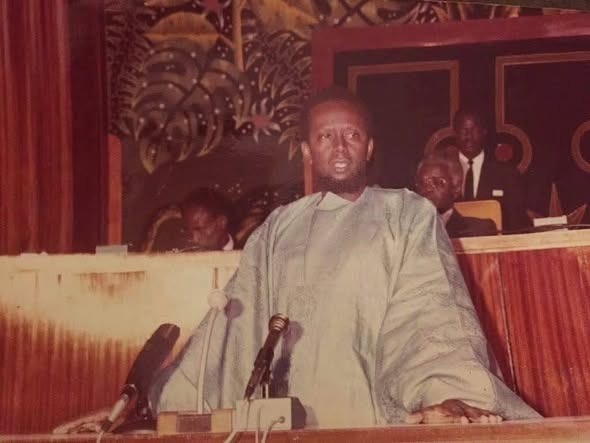
One year ago, The Gambia lost one of the last living links between its colonial past and sovereign future. On 28 November 2025, Alhaji Muhammadu Cadi Cham, affectionately known as M.C. Cham Sr., departed this world, leaving behind a legacy inseparable from Gambian independence.
Today, as we mark the first anniversary of his passing, we pause not merely to remember a distinguished politician, but to honor a patriot whose life was woven into the very fabric of our independence, democracy, and national identity.
M.C. Cham belonged to a generation that did not inherit a nation but helped create one. As a delegate to the historic 1964 Marlborough House Constitutional Conference in London, he stood among the architects of Gambian independence, helping negotiate the constitutional pathway that would free The Gambia from British colonial rule.
Alongside Sir Dawda Kairaba Jawara, Reverend J.C. Faye, I.M. Garba Jahumpa, and other pioneers, he represented the hopes and aspirations of a people seeking self-determination and dignity among the family of nations.
Those constitutional talks were not merely diplomatic gatherings. They were defining moments in which the future of The Gambia was debated and shaped. M.C. Cham understood that independence required more than lowering one flag and raising another. It required institutions, constitutional safeguards, and a national consensus that could sustain freedom long after the celebrations ended.
His support for constitutional prudence and his insistence on broad public legitimacy through democratic processes reflected the character that would define his public life: thoughtful, principled, and deeply committed to the republic’s stability.
Following independence, M.C. Cham continued his service as a cabinet minister under President Sir Dawda Jawara during the First Republic. Those were formative years for our young nation.
The institutions we often take for granted today were still fragile and evolving. Public servants of his generation faced the enormous responsibility of turning political independence into effective governance.
He approached that responsibility with humility and dedication. He understood that public office was not an entitlement but a trust. His generation believed that leadership demanded sacrifice, restraint, and accountability. They were far from perfect, but they viewed service to the nation as a sacred obligation.
Even in retirement, M.C. Cham remained a respected voice of wisdom and reflection. He often reminded younger generations that nations do not emerge overnight and that progress cannot be separated from historical memory.
One of his most profound observations was that “The Gambia did not start today.” In those simple words lay a powerful warning against historical amnesia and a call to recognise the sacrifices of those who came before us.
Throughout his life, he witnessed some of the most significant chapters in Gambian history: colonial rule, independence, the transition to a republic, the construction of democratic institutions, political upheavals, military intervention, democratic struggles, and national renewal.
Few Gambians experienced such a broad sweep of our national story from such a close vantage point. Yet what made M.C. Cham remarkable was not merely his longevity but his dignity.
He saw former independence heroes fade from public attention. He watched historical contributions go unrecognised. He witnessed periods when the nation’s founders received less acknowledgment than they deserved. But he never allowed disappointment to harden into bitterness.
Instead, he remained steadfast, gracious, and committed to the larger cause of national unity. In many ways, he became a living archive of Gambian political history.
Meeting him for an interview in 2002 at his Banjul residence felt like opening a living history book. He recounted memories of constitutional negotiations, cabinet deliberations, diplomatic engagements, and formative political experiences that shaped our Republic.
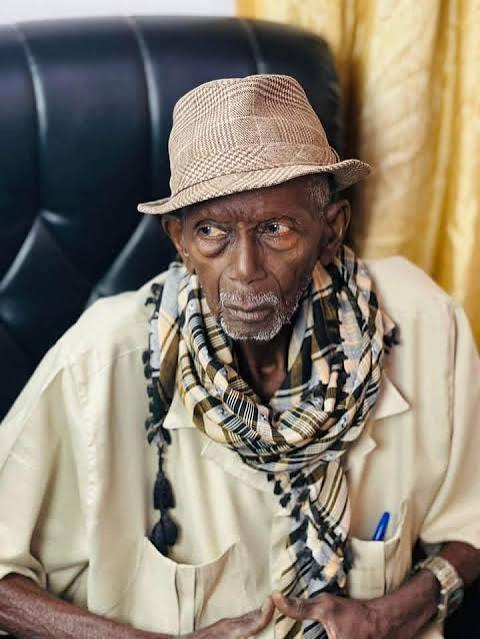
His firsthand accounts bridged the gap between past and present, connecting younger generations to a period increasingly distant from living memory. That may be why his passing felt especially profound.
With his departure, The Gambia lost more than a former minister. It lost one of the final eyewitnesses to the birth of the nation. A generation that carried independence in its hands is gradually leaving us, and with every loss comes an urgent responsibility to preserve their stories.
The greatest tribute we can pay M.C. Cham, therefore, is not confined to prayers and memorial speeches. It lies in safeguarding the history he helped create. It means teaching our children about the Marlborough House talks, documenting the lives of our founding fathers, preserving archives, recording oral histories, and ensuring that the sacrifices of the independence generation are never forgotten.
Nations that neglect their founders risk losing their sense of direction. Nations that remember them strengthen the moral foundations upon which future generations can build.
M.C. Cham understood this truth better than most. One year after his passing, his voice still echoes through the corridors of Gambian history. His life reminds us that independence was neither inevitable nor free.
It was achieved through patience, negotiation, courage, and sacrifice. It also reminds us that democracy survives only when citizens value institutions over personalities and principles over power.
As we remember Hon. Alhaji Momodou Cadi Cham today, let us also renew our commitment to the ideals for which his generation worked so tirelessly: constitutionalism, public service, national unity, and democratic responsibility.
The sentinel of Gambian independence may have departed, but the principles he embodied remain as relevant as ever.
May his memory continue to inspire generations yet unborn. May Allah, in His infinite mercy, forgive his shortcomings, reward his service to the nation and people, and grant him Al-Jannah Firdaus. Ameen.
By Alagi Yorro Jallow


Discussion