
By Madiba Singhateh
There is a quiet kind of beauty in Sanyang. In the early hours of the morning, before the engines start and before the dust rises, the air feels clean and slow. For many years, this coastal village was known for its calm, a place where people lived close to the sea, depended on it, and respected it. But that calm is changing.
This is the first edition of the Environment Column for 2026. It begins here because Sanyang tells a larger story, about how development, when not carefully managed, can slowly take away the very things it promises to improve. Across The Gambia, from the coast to the inland communities, environmental change is no longer something distant. It is visible, it is daily, and it is affecting how people live, eat, and work.
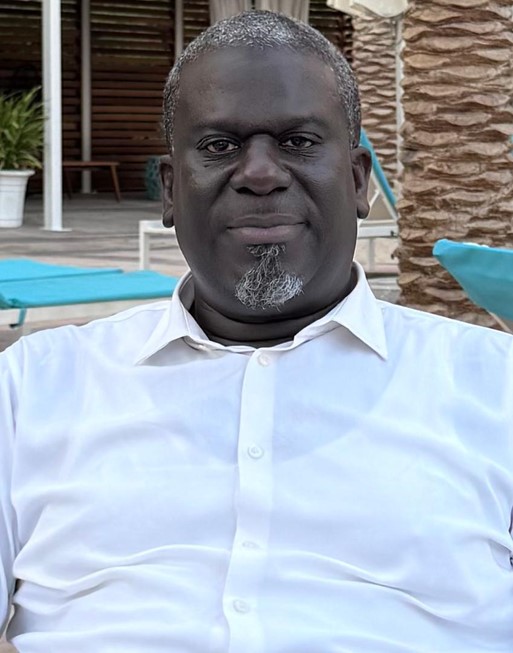
On 9 April 2026, I visited Momodou Semega Janneh at his home in Sanyang. Many people know him simply as “Uncle Semega”. He is an environmentalist, but more importantly, he is a witness, someone who has seen change happen over time and is willing to speak about it.
He begins simply:
“My name is Uncle Semega Janneh. I am Gambian-born, and I live here in Sanyang. I came back home from abroad to settle and to help with the development of my country.”
He explains why he chose Sanyang.
“At the time, places like Salagi and Bijilo were already crowded. There were problems over land. I came here for peace and tranquillity.”
That was in 2001. More than two decades later, he says the change has been fast and, in many ways, troubling.
Janneh remembers a time when Sanyang was difficult to reach.
“There was no proper road,” he says. “Very few people were interested in moving here.”
Things began to change when infrastructure arrived.
“When the road was built, and electricity came, everything changed. People started buying land very quickly.”
At first, development seemed harmless, even positive.
“Some people built small houses, cottages. They came during weekends or holidays. It was not too heavy.”
But over time, that growth increased.
“After about ten years, the number of people increased a lot. And with that came pressure on the land and the environment.”
One of the first major changes, he says, was sand mining.
“You would see hundreds of trucks,” he explains. “Each truck makes several trips every day.”
The impact was immediate and visible.
“All that movement raised dust everywhere. People were breathing it every day.”
But the more serious damage was happening along the coast.
“The mining caused serious erosion. The beaches started to change; areas that were once stable became weak.”
He draws a comparison with the past.
“This is not new. Similar things happened in places like Bijilo many years ago. But it seems we did not learn from that,” he said.
Today, the effects remain.
“Some parts of the coastline are now dug out and look like swamps,” he says.
He also points to how these decisions were made.
“The government did not just take the land. They spoke to the Kabilos, and agreements were signed. But many people did not fully understand what would happen.”
The question of ownership, he says, is still unclear.
“After all this damage, who owns the land now? The villagers are the original owners, but the situation is not clear.”
If sand mining damaged the land, fishmeal factories, Janneh says, are damaging both the sea and the people.
He recalls that concerns were raised early.
“When these factories were coming, we warned that there would be problems.”
The biggest issue, he explains, is how fish is used.
“In most parts of the world, fishmeal is made from waste, the parts people do not eat. But here, they use whole fish.”
This has serious consequences.
“You are taking fish that people depend on for food and turning them into feed for animals.”
He breaks it down in simple terms:
“To produce one tonne of fishmeal, you need about five tonnes of fish.”
That means less food for local communities.
“Fish is the main source of protein for many Gambians,” he says. “People carry fish on bicycles to sell them far inland. It feeds the whole country.”
As supply drops, prices rise.
“Now you hear of fish being sold at very high prices. How can ordinary people afford that?”
He also raises health concerns.
“The factories release a gas called hydrogen sulphide. It is poisonous. In other countries, such factories are built far away from people.”
In Sanyang, they are close to homes.
“People are breathing this every day,” he says.
And there is another layer of irony.
“We are sending fish abroad to feed animals, while our own people struggle to find affordable food.”
Janneh believes environmental damage is connected to migration.
“When young people lose their livelihoods, they start looking for other options.”
For coastal communities, fishing has always been a key source of work.
“Many young men know the sea. They are skilled. They can navigate, they can work long hours.”
But when fish stocks decline, those skills are no longer enough.
“If there is no fish, there is no income.”
This creates a dangerous situation.
“It becomes easier for them to accept offers to take people on the ‘back way’,” he says.
He explains further:
“That is why there are always people ready to captain boats. They used to be fishermen.”
Illegal fishing makes things worse.
“There have been reports of foreign trawlers damaging local fishing nets,” he says. “This pushes local fishermen further into hardship.”
His frustration is clear.
“Instead of blaming local people, authorities should take strong action against those responsible.”
Another major concern is the proposed deep seaport.
Janneh approaches this from both experience and observation.
“I have worked at sea,” he says. “I understand how it behaves.”
He explains the geography of The Gambia’s coastline.
“The sea here is very shallow for a long distance. To build a deep seaport, you would need to dig very far out.”
He questions the practicality.
“You would have to dredge tens of kilometres. And even then, the sand will keep moving back.”
In simple terms:
“You dig today, and tomorrow the sea starts filling it again.”
But beyond the technical issues, he is concerned about transparency.
“Why are the details of the agreement not public?” he asks.
He believes the public has a right to know.
“These projects affect the whole country. People should understand what is being agreed on their behalf.”
He also warns about long-term costs.
“If the project causes damage and the country wants to stop it, what penalties will we face?”
Despite his concerns, Janneh does not speak with anger alone. There is also a sense of responsibility.
“When we spoke about these issues years ago, people said we were troublemakers,” he says.
Now, he feels those warnings are becoming reality.
“The effects are now reaching everyone.”
He makes it clear that his concerns are not personal.
“I can afford to buy fish from abroad if I want,” he says. “But most people cannot.”
His focus is on the wider community.
“We must think about the poor person who depends on local fish to survive.”
As our conversation ends, he reflects on time and responsibility.
“What I have left is less than what is behind me,” he says quietly.
Then he adds:
“But the younger generation, they will live with the results of what we do today.”
This first edition of the Environment Column is not just about Sanyang. It is about a pattern that is repeating itself across the country, where short-term gain is often placed above long-term sustainability.
The questions raised here are not simple, but they are necessary:
Who benefits from development?
Who pays the cost?
And what kind of future is being built?
In places like Sanyang, the answers are already beginning to show.
Discussion