By Alieu Ceesay
For the residents of Maka Masireh, the approaching December presidential election represents far more than a contest for political office. It is a rare opportunity to draw national attention to long-neglected daily struggles — poor road access, limited healthcare, lack of clean water, and insufficient support for local livelihoods.
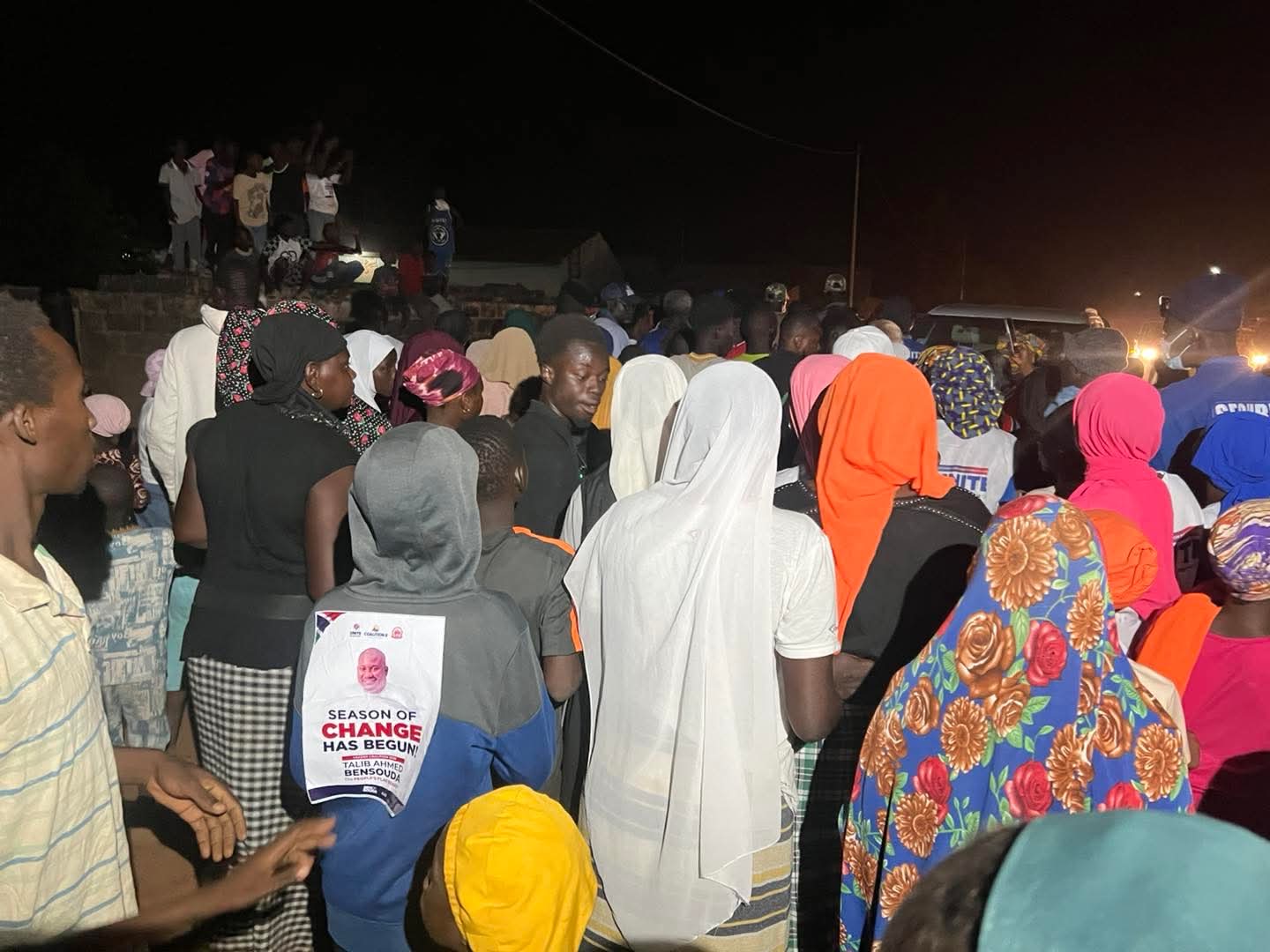
In this remote village in the Wuli East Constituency of the Upper River Region, community members are urging presidential candidates to address their most pressing needs, hoping that campaign promises will translate into concrete action once the polls are over.
Located approximately seven kilometers from the Pasamas-Laminkoto main highway, Maka Masireh is among the communities whose residents say access to essential services remains a persistent challenge. The distance from the main road means that even routine travel is difficult, particularly during the rainy season when the track becomes nearly impassable.
For families, the absence of a nearby health facility means long journeys whenever illness strikes. Residents frequently travel to Baja Kunda for medical care or to buy necessities. Kaddy Dampha, a village resident, told The Alkamba Times that completing the community’s road and improving access to essential services remain among their most urgent priorities.
“We want Talib to complete our road, bring us a hospital, bring us water, support our gardening and provide us with a market,” Dampha said.
The concerns extend beyond infrastructure. They reflect the everyday difficulties of living in a community where basic services remain largely out of reach. Amadou Camara, another resident, highlighted the limited availability of medicines at existing health facilities.
“We go to the hospitals, but the only medicine we have is paracetamol. This is so stressful for us,” Camara said.
Access to adequate healthcare is especially critical for women, children and elderly residents, who often find the long journeys for medical attention particularly burdensome. Many villagers say that even minor illnesses can become serious due to the distance and the scarcity of proper treatment options.
Beyond healthcare and roads, the community is also seeking practical support for women’s gardening activities. Residents believe that with better tools, water access, and market linkages, these gardens could significantly improve household incomes and food security. They are also calling for a local market and more reliable, affordable access to clean water.
Young people in Maka Masireh have their own distinct priorities. With few recreational facilities available, they argue that a football pitch would provide an important space for sports, social interaction and community engagement.
“We need help and support, particularly a football pitch, as youths of this community,” said Ma Koyoi Kandeh, a young resident.
As presidential candidates continue to tour communities across the country in search of votes, the people of Maka Masireh say they want their voices heard beyond the noise of campaign rallies and political speeches. For them, the election is a chance to seek lasting solutions to challenges that shape their daily lives — and to ensure that the needs of remote communities are not forgotten once the campaign season ends.
Whether any of the contenders will prioritize these demands remains to be seen. For now, the residents of Maka Masireh continue to wait, hopeful that the December polls will finally bring the basic services they have long been denied.


Discussion