
Catalyst Academy has convened the graduation ceremony for the first batch of trainees under its Madrassa Skills Development Programme following a two-week intensive training aimed at equipping students from Islamic schools with practical knowledge and vocational skills to improve their livelihoods after completing religious studies.
The programme focused on three key components designed to promote youth empowerment, self-reliance, and sustainable community development. Currently in its pilot phase, the initiative benefited three madrassas, with 28 students drawn from each school.
The first phase of the programme focused on beekeeping, where participants underwent 10 days of intensive practical training on modern beekeeping techniques and honey harvesting methods.
Speaking to the press, Derrick Rawle, Co-Director of Catalyst Academy, highlighted the importance of the initiative for madrassa students.
“There are many young people with talents and potentials that are not being tapped. Opportunities available to them are very narrow, and from our point of view, we want to create as many opportunities as possible to help unlock those potentials, particularly among madrassa students whose focus is often limited to one area. We want to widen that focus so they can develop themselves and support their livelihoods,” he said.
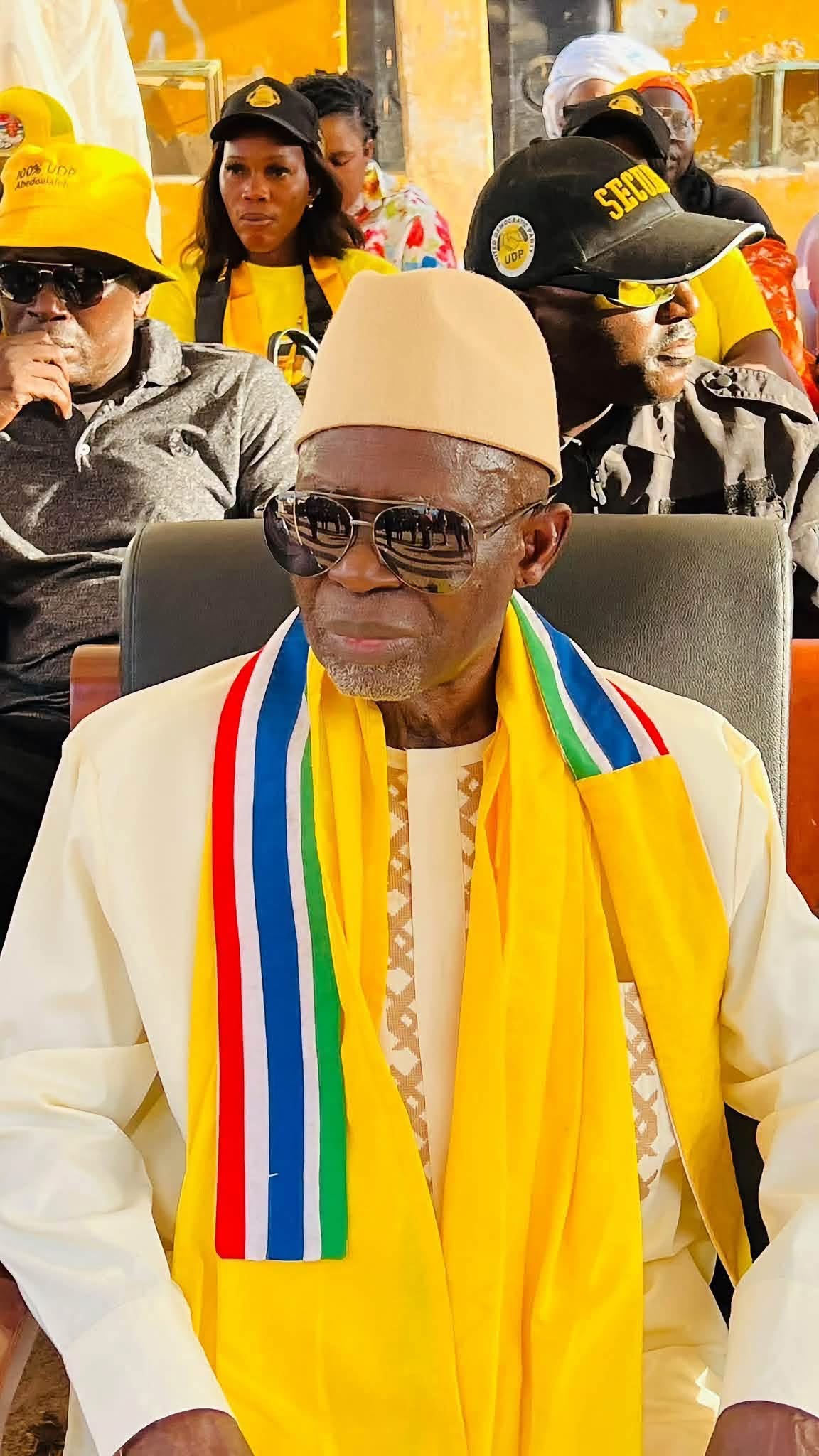
The President of the Supreme Islamic Council, Sheikh Alhaji Essa Darboe, underscored the significance of the programme, noting the importance of inclusion in skills development regardless of educational background.
“I thank God and I am grateful that our madrassa students are benefiting from this initiative. In the past, people viewed religious education as less significant, believing students could only become imams or Islamic teachers. The authorities saw the need to support madrassa students so they too can contribute to national development, hence the importance of this programme,” Sheikh Darboe said.
He added that the initiative would help empower young people and expressed hope that the programme would expand to accommodate more beneficiaries.
“I am particularly happy to see inclusiveness in the project, with both male and female students participating. I was impressed by their demonstrations,” he added.
Participants Abubacarr Jammeh and Fatoumatta Jaiteh also praised the programme and encouraged young people to embrace vocational skills despite societal challenges.
“I see this as a very important skill because I came here without knowledge and I am leaving with practical skills. We learned the value of bees and how important they are to human life. We were also taught that bees should not be killed when harvesting honey. Even as a married woman, this work has not prevented me from participating,” Fatoumatta said.
Abubacarr Jammeh encouraged youths to invest in beekeeping, describing it as a sustainable source of income.
“I urge young people to invest in this trade. Honey is expensive now, and with proper investment, one can sustain a livelihood and support others. A half-litre bottle of honey costs between D125 and D150. Having a skill helps you become independent,” he said.
Course facilitator Buba Touray expressed satisfaction with the trainees’ commitment and performance throughout the training.
“I have conducted many beekeeping trainings before, but I thank God for this batch. I am confident that even in my absence, they will continue delivering. Yesterday, during a field operation, they handled everything properly and the honey is now ready for consumption. Over these 10 days, we shared knowledge, built networks, and had a lot of fun together,” Touray stated.
As beekeeping remains an unpopular vocational trade in The Gambia, the project aims to promote modern beekeeping practices and discourage traditional methods through practical demonstrations and simulations.
Organisers also called on the government and stakeholders to invest more in the sector, noting its alignment with Technical and Vocational Education and Training (TVET) initiatives aimed at youth empowerment and employment creation.


Discussion