
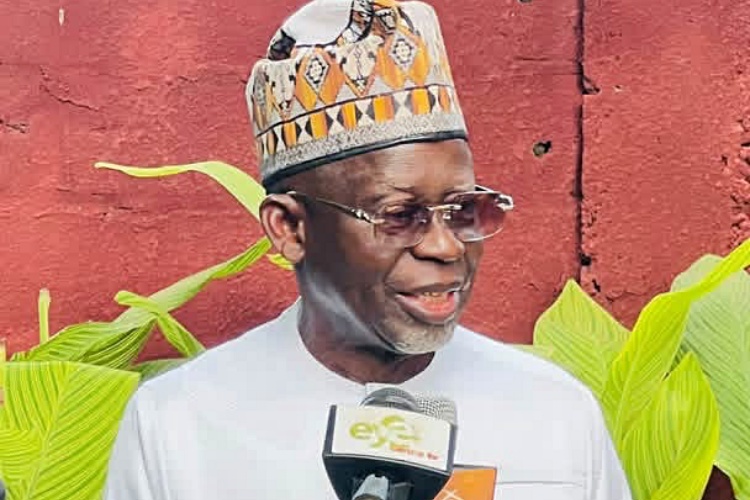
Ismaila Touray, Deputy Leader of the APP Sobeya, has called for structural reforms in education and agriculture, stating that his entry into politics is motivated by what he described as limited national development.
Speaking during an appearance on “Coffee Time with Peter Gomez,” Touray said sustainable development in The Gambia depends on improving key sectors, particularly education and agriculture.
He stated that national progress should extend beyond infrastructure development, emphasizing the need for broader economic and social advancement. Touray added that the country should prioritize self-sufficiency and address gaps within its economy to achieve long-term growth.
Touray proposed reforms in agriculture aimed at increasing production, alongside changes to the education system. He called for a review of the national curriculum to align it with development priorities. “When we know better, and we can do better, we must do better,” he said.
On education, Touray advocated for a shift from exam-oriented learning to approaches that emphasize comprehension and critical thinking. He said teaching methods should challenge students intellectually and be supported with adequate resources.
He also proposed the introduction of competency-based assessment, where student progression is based on demonstrated skills rather than grade completion. According to him, this would ensure that academic advancement reflects actual learning outcomes.
Touray warned that without reforms, the country may face a shortage of skilled personnel capable of managing modern technologies. He said the education system should produce graduates equipped to meet current industry demands. “We want The Gambia to be known for something,” he added.
On healthcare, Touray called for increased investment in the sector, urging greater focus on developing local health infrastructure. He raised concerns about conditions in public hospitals, including bed shortages and limited access to medicines.
He also questioned the practice of seeking medical treatment abroad, stating that improving local facilities should be a priority.
Touray further called for improved standards in patient care, including better facilities and conditions that ensure privacy and professionalism. “We must not let excellence be the enemy of good; yet we must strive for excellence,” he said.
He concluded that national development requires long-term planning and investment in human capital to support economic growth.



Discussion