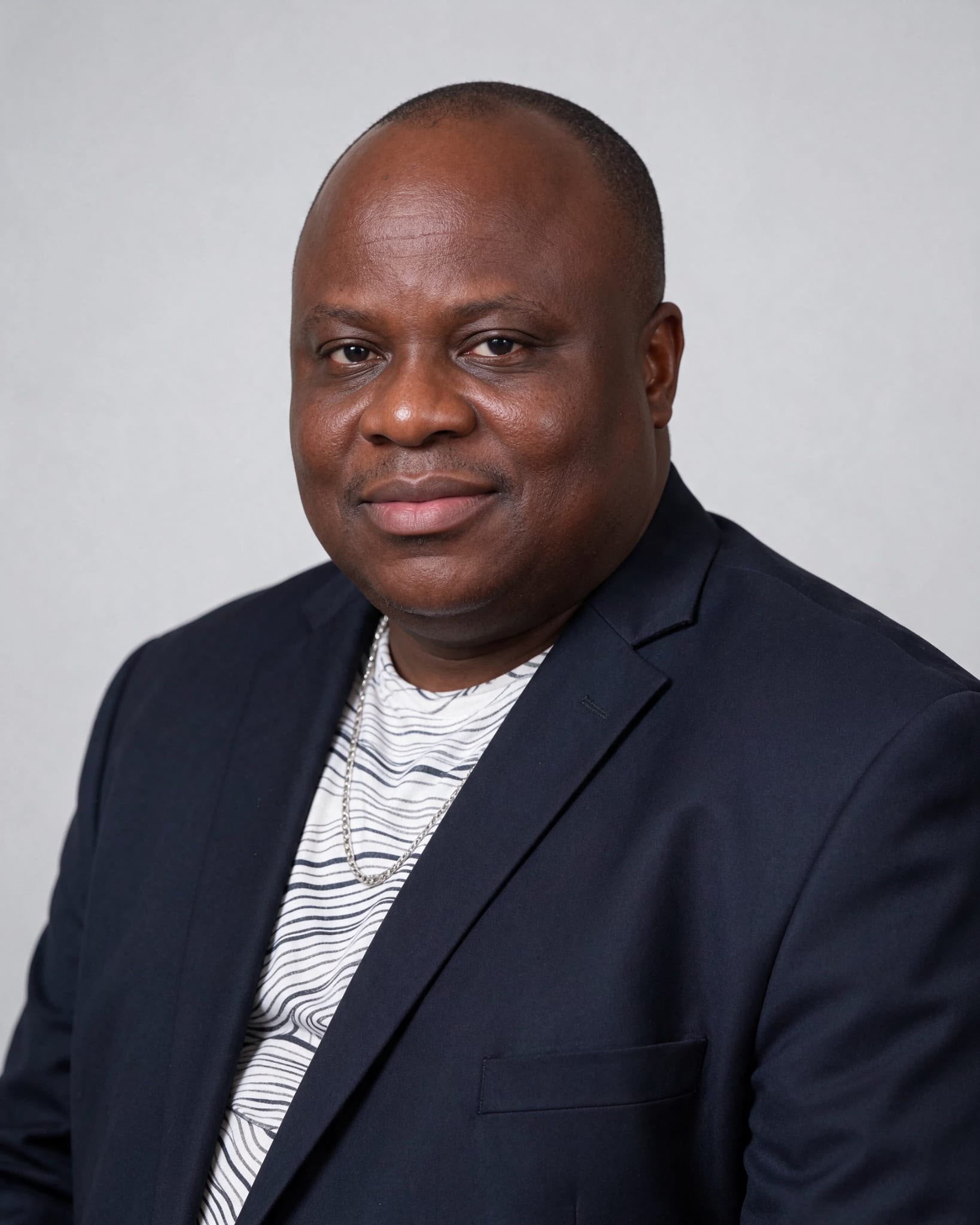
by Bakary Ceesay, in Germany
A Gambian resident in Helsinki has urged voters to reject President Adama Barrow’s bid for a third term, arguing that a decade in power is enough and that no leader should treat public office as a permanent personal possession.
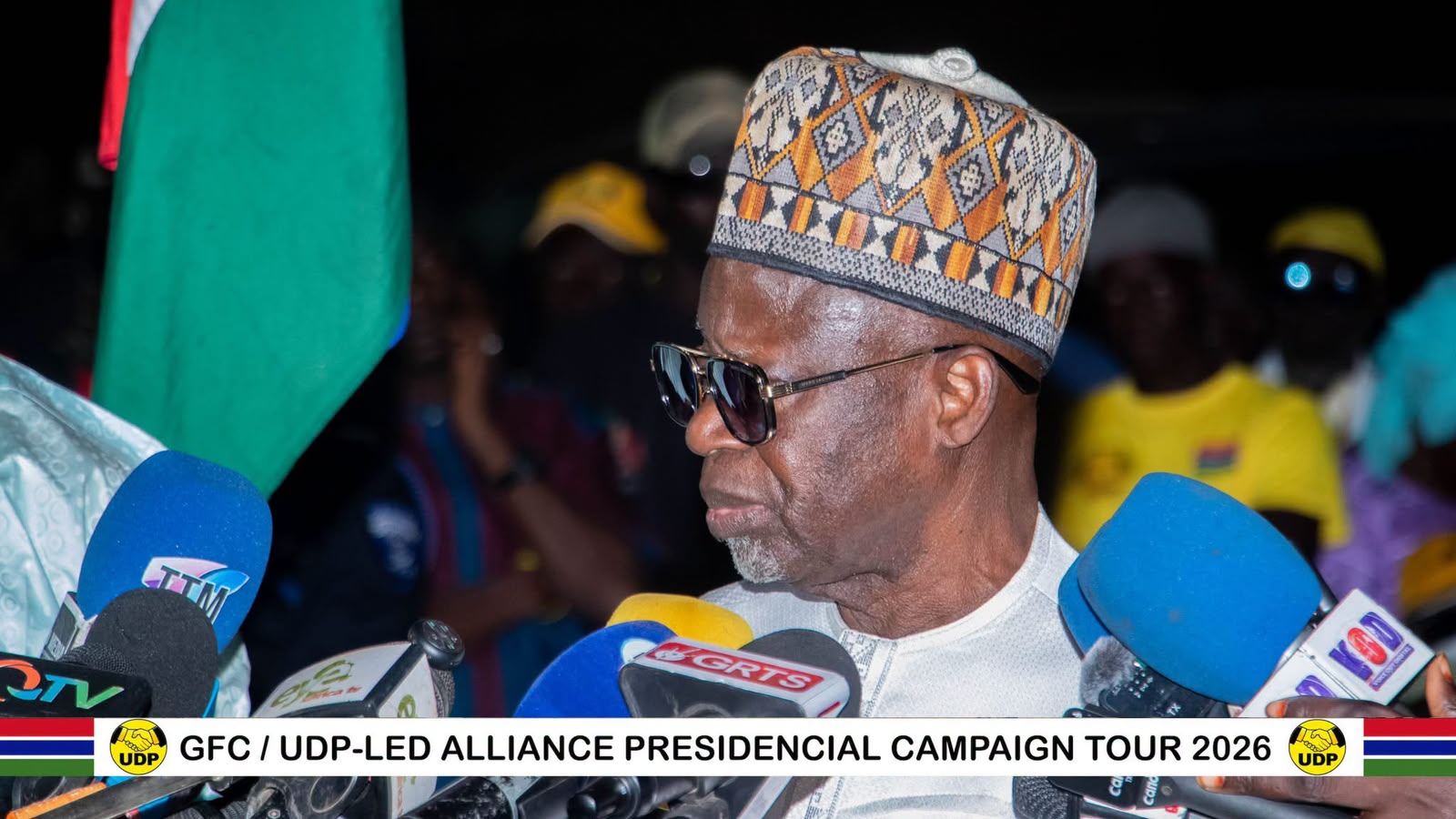
Sainey Jabbi made the remarks ahead of The Gambia’s presidential election on 5 December 2026, in which the Independent Electoral Commission has cleared multiple candidates, including the incumbent and veteran opposition figure Ousainou Darboe of the United Democratic Party (UDP).
Speaking to Alkamba Times, Jabbi said: “No president should treat public office as a permanent personal possession. We must strengthen our democratic institutions, promote accountability, and establish a political culture that respects leadership limits and the people’s right to choose a new direction.”
He declared that he is proud to stand with those advocating political change and a new direction for the country by supporting Ousainou Darboe and a UDP-led coalition. “Enough is enough,” he stated, adding that The Gambia deserves better leadership than the current situation and that Darboe and the UDP represent the solution.
Jabbi emphasized that the country needs accountable leadership, inclusive development, equal opportunities, and a government that puts its people’s interests first. He said he was honored to be part of what he called the liberation team committed to fighting for a better Gambia—one where justice, accountability, good governance, and the rule of law are respected.
He assured that under a UDP-led government, the country’s future would be debated and decided together, and urged citizens to give Ousainou Darboe and his team a chance in the elections to lay the foundation for a prosperous nation for future generations.
Jabbi further called on Gambians to stand up, take responsibility, and join the movement for positive change. “We must stand together to defend our independence, freedom, democracy, and the future of our beloved nation. Sitting on the fence is not the solution,” he said. He also stressed the need for a national conversation about the future Gambians want, the leadership they deserve, and the country that must be built for generations to come.
Reflecting on the period since Barrow assumed power in 2016, Jabbi said he believes the president’s leadership has fallen short of the expectations and aspirations of many Gambians. “Rather than prioritizing the collective interests of the nation, concerns have increasingly been raised about political interests, power, and the direction of his government,” he noted.
Jabbi, who said he was present when the National People’s Party (NPP) was formed, claimed to have witnessed what he described as a betrayal of some of the people who contributed to building the party and supporting Barrow’s political journey. He added that the president’s subsequent political alliances have raised serious questions about loyalty, principles, and political consistency.
He pointed to the living conditions of ordinary Gambians as a major ongoing concern, citing economic hardship, questions about insecurity, challenges in the healthcare system, and growing uncertainty about the future. Jabbi particularly highlighted the situation of young people, many of whom are embarking on dangerous journeys toward Europe in search of opportunities and a better life.
“This should serve as a wake-up call to every responsible leader,” he said. “The youths deserve opportunities at home, not desperation and dangerous migration routes.”
With the campaign period underway and election day less than two weeks away, Jabbi’s comments add to the voices from the diaspora calling for a change of leadership. He framed the choice facing voters as one between continuity under the current administration and a fresh direction under the UDP-led alternative he supports.


Discussion