More than 500 students, educators, advocates, and government representatives gathered at SOS Children’s Village for a disability inclusion dialogue organized by the Remembering Reuel Foundation in partnership with Talk for Children with Disabilities. Held under the theme “Everyone Has a Way,” the event brought together participants from more than 26 schools to promote awareness, inclusive education, and interaction between children with and without disabilities.
Speaking at the event, the founder of the Remembering Reuel Foundation, Ellen Jatta, said the organization’s work is rooted in advocating for equal rights and opportunities for persons with disabilities. She stressed that people living with disabilities should enjoy the same rights, privileges, and opportunities as everyone else, adding that stronger institutional support is needed to help them fully participate in society.
Jatta said many families and caregivers continue to face challenges in supporting relatives with disabilities, noting that additional support systems would help reduce these burdens. She called on the government, particularly the Ministry of Basic and Secondary Education and other relevant institutions, to develop policies and structures that recognize and respond to the needs of persons with disabilities.
She further stated that children with disabilities have the ability to succeed when provided with the necessary support, accessible learning environments, and equal opportunities. According to her, strengthening support services would not only benefit children with disabilities but also provide relief to their families and caregivers.
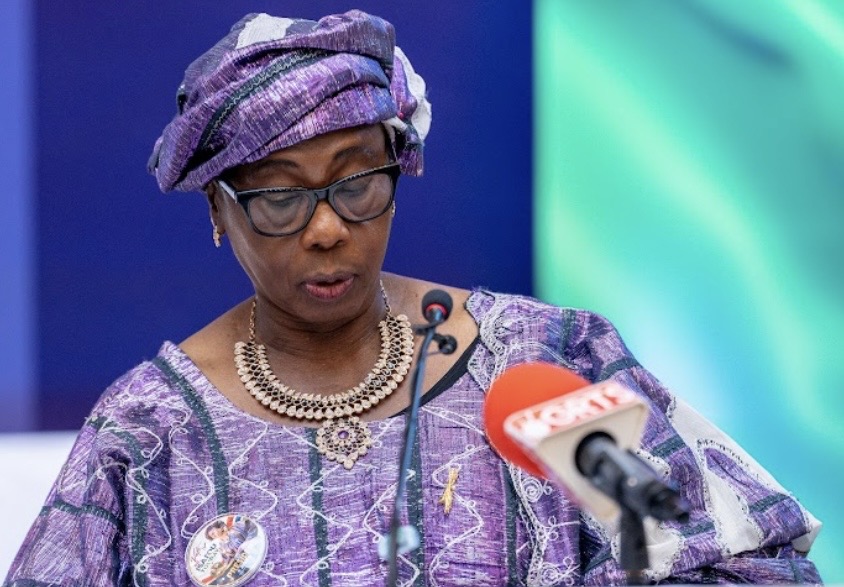
Representing the Minister of Basic and Secondary Education, Ida Badjie reaffirmed the ministry’s commitment to advancing inclusive education. She said the ministry recognizes the importance of ensuring that the voices and needs of persons with disabilities are reflected in education policies and programmes.
Badjie disclosed that the ministry is implementing measures to strengthen inclusive education through improved teacher training and capacity building. She said equipping teachers with inclusive teaching methods and specialised skills is intended to remove barriers to learning and ensure that students with disabilities have equal access to quality education.
She also emphasized that collaboration among government institutions, communities, schools, civil society organizations, and development partners is essential to creating an education system that accommodates learners of all abilities.
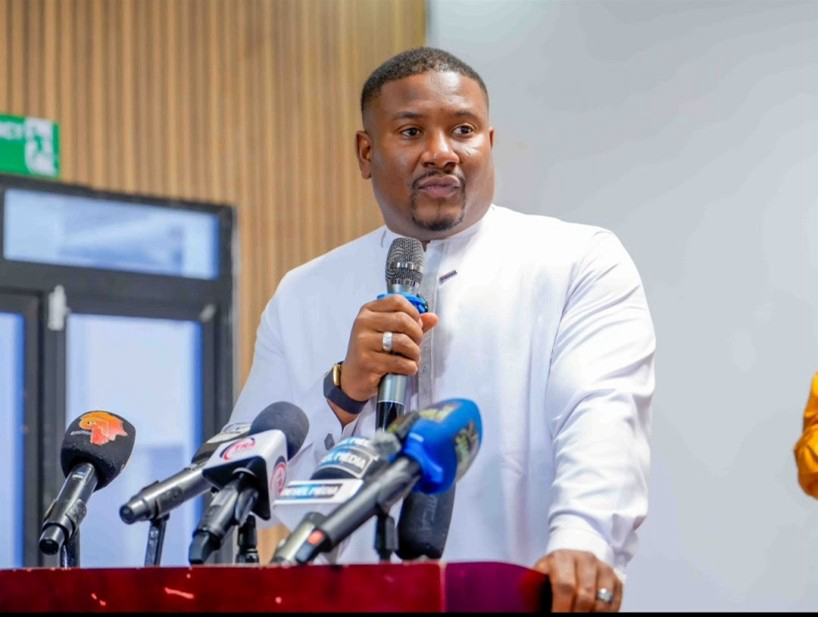
The National Director of SOS Children’s Villages, Jean Pierre Kaumin, highlighted the importance of protecting the rights of children with disabilities, particularly their right to education. He noted that a significant proportion of the global population lives with some form of disability and stressed the need for greater inclusion in education and community life.
Kaumin called on parents, families, communities, and local authorities to work together to create safe and supportive environments where children with disabilities can develop and participate fully in society. He also expressed concern over the limited access many persons with disabilities face in areas such as education and other essential services.
He further underscored the importance of addressing stigma and discrimination, which he said continue to prevent some children with disabilities from attending school. According to Kaumin, inclusive education enables children of different abilities to learn together, promotes mutual understanding, and helps build more inclusive communities.
The event featured discussions, interactive activities, and engagements among students from more than 26 schools, providing participants with an opportunity to learn about disability inclusion, build relationships, and encourage greater acceptance of diversity in schools and communities.
Discussion