The National Water and Electricity Company (NAWEC) has dismissed allegations that it made an undocumented payment to Senegal’s electricity company, Senelec, over an emergency power arrangement.
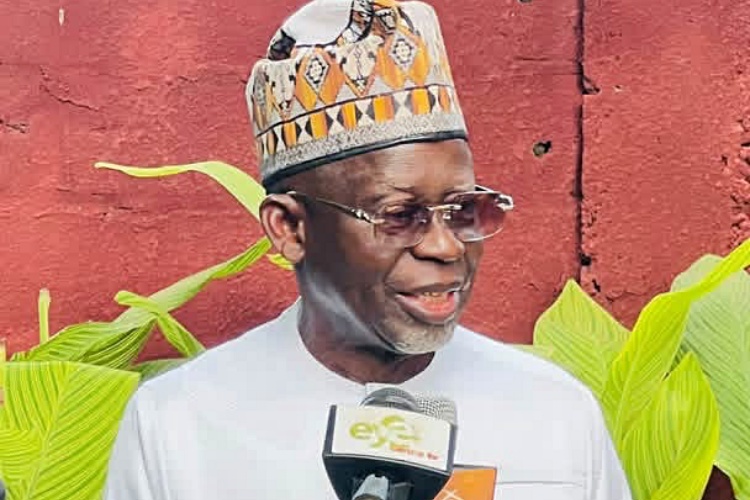
NAWEC Public Relations Officer Buba Badjie, speaking in an interview with Kerr Fatou, said the letter circulating on social media was an official public communication and not a leaked confidential document.
Badjie explained that the 600 billion financial authorization mentioned in the letter was a procedural approval that allowed NAWEC to respond to an electricity crisis. He said it did not represent a direct cash payment or an amount disbursed to Senelec.
He also said the emergency power purchase agreement remained active for only two days after electricity supply and grid operations became stable.
Badjie denied allegations that NAWEC or the government paid 6 million to Senelec without proper documentation. He said all payments and expenditures by the utility are recorded in official financial documents.
He added that the cost of purchasing electricity today is different from the rates negotiated during the peak of the power crisis.
On the wider electricity shortages, Badjie attributed the ongoing challenges to rising electricity consumption, fuel constraints and the full integration of the national grid.
He explained that the integration means a reduction in generation capacity can now affect both urban and rural areas. He said areas such as Basse previously benefited from regional backup systems, but increased use of high-consumption appliances has reduced the available surplus power.
According to Badjie, domestic generators are therefore struggling to meet demand, despite all national power stations being operational.
He also linked the current fuel challenges to ongoing geopolitical tensions between Iran and the United States, saying the situation has further worsened the country’s power crisis.
Badjie said that even if The Gambia had 500 megawatt generators, they would not be able to operate without sufficient oil and gas reserves.
On the duration of the power shortages, he said NAWEC is working on long-term plans to achieve energy independence and eventually become an electricity exporter.
He explained that the current shortage in generation capacity has forced NAWEC to ration electricity, with scheduled power cuts between 8:00 PM and 5:00 AM.
However, Badjie said electricity supply is generally more stable during the day because solar power contributes to the national grid, particularly during the afternoon.
He said expanding solar power is part of NAWEC’s long term strategy to improve electricity supply, reduce dependence on fuel and move the country towards energy independence.

Discussion