
The Ministry of Youths and Sports, through the Gambia Songhai Initiative (GSI) and in partnership with international and local stakeholders, has launched the AGREEN Gambia Project. The initiative is funded under the European Union’s Erasmus+ Capacity Building in Vocational Education and Training programme.
The project aims to strengthen Technical and Vocational Education and Training (TVET) in The Gambia, with a focus on climate smart agriculture, digital learning tools, and competency based training approaches. It also seeks to enhance the capacity of TVET educators, promote agribusiness innovation, and improve employment opportunities for young people.
Speaking at the launch, the Deputy Permanent Secretary for Finance and Administration at the Ministry of Youths and Sports, Lqmin A. Camara, said the project will support the development of a structured training programme for TVET educators.
He stated that it will equip instructors with competence based teaching skills, digital education tools, and inclusive methodologies, while also supporting the development of a national climate smart agriculture curriculum to standardise and modernise training delivery.
Mr. Camara added that the initiative will strengthen public private partnerships in TVET through apprenticeships, work-based learning, and employer engagement to bridge the gap between training and employment. He also noted that it aims to reposition TVET as a viable career pathway through awareness creation and learner centred approaches.
According to him, the AGREEN Gambia Project provides an opportunity to modernise vocational education and strengthen institutional capacity.
“Agricultural enterprise and environmental sustainability are key pillars of this policy,” Mr. Camara stated, adding that the Ministry, through the Gambia Songhai Initiative, is contributing to national development priorities in these areas.
He said the project seeks to equip young people with modern agricultural techniques, business skills, and environmental awareness. With an estimated 70 percent of the population dependent on agriculture for their livelihoods, he described the initiative as offering “hope and a sustainable future.”
Mr. Camara reaffirmed the Ministry’s commitment to the Erasmus+ programme and stressed the importance of aligning training with labour market needs to enhance employability and self-employment opportunities, reduce irregular migration, and strengthen resilience.
Deputy Head of Mission in The Gambia, Raphaël Brigandi, described the initiative as part of the European Union’s support to vocational education and sustainable rural development.
He said the project is valued at approximately €500,000 (about 35 million dalasis) and will run for two and a half years. According to him, it is designed to strengthen vocational education while promoting climate-smart agriculture and sustainable economic development.
Mr. Brigandi said vocational education goes beyond skills acquisition and must be aligned with economic opportunities.
He noted that only a small proportion of farmers currently produce for commercial markets, while many young people continue to face employment challenges.
“Today, only a small number of farmers produce for commercial markets, and many young Gambians also struggle to find decent jobs. That is why aligning skills development with real economic opportunities is so important,” he said.
He added that climate change, digital transformation, and shifting labour markets require adaptation within the TVET sector. He stressed the need to equip youth, women, and rural communities with relevant skills.
Mr. Brigandi also highlighted that the project will support inclusive entrepreneurship, particularly in climate smart agriculture, agri processing, and green value chains. He described Erasmus+ as “a long standing symbol of European solidarity in education, training, youth and sports.”
Lead coordinator of the AGREEN Gambia Project and Director of INFODEF, Jesús Boyano, said the initiative is supported by the European Commission as part of efforts to promote innovative vocational education models.
He said the project aligns with Gambian government policies and focuses on applying climate change adaptation in agriculture to promote social inclusion, particularly for women and young people in rural areas.
Mr. Boyano said the project will establish a Community of Practice linking Gambian and European experts to share knowledge and address identified challenges throughout the project period.
He added that lessons learned will be integrated into national systems and shared at policy level. He expressed confidence in the collaboration between Gambian and European partners and in the successful implementation of the project.
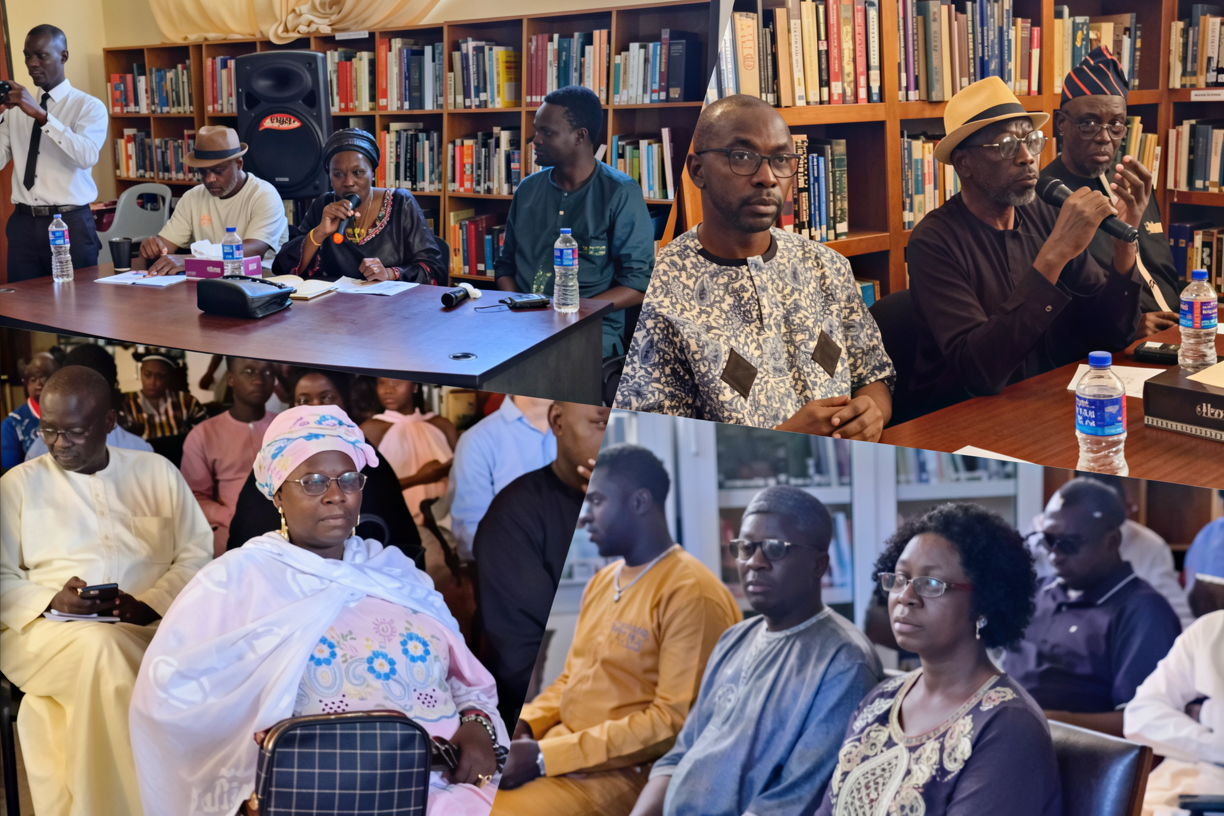


Discussion