
By Nelson Manneh
With political tensions expected to rise ahead of the 2026 presidential election, The Gambia Press Union (GPU) has stepped up efforts to prepare journalists for high-risk reporting, equipping them with critical safety and survival skills in a five-day intensive training programme.
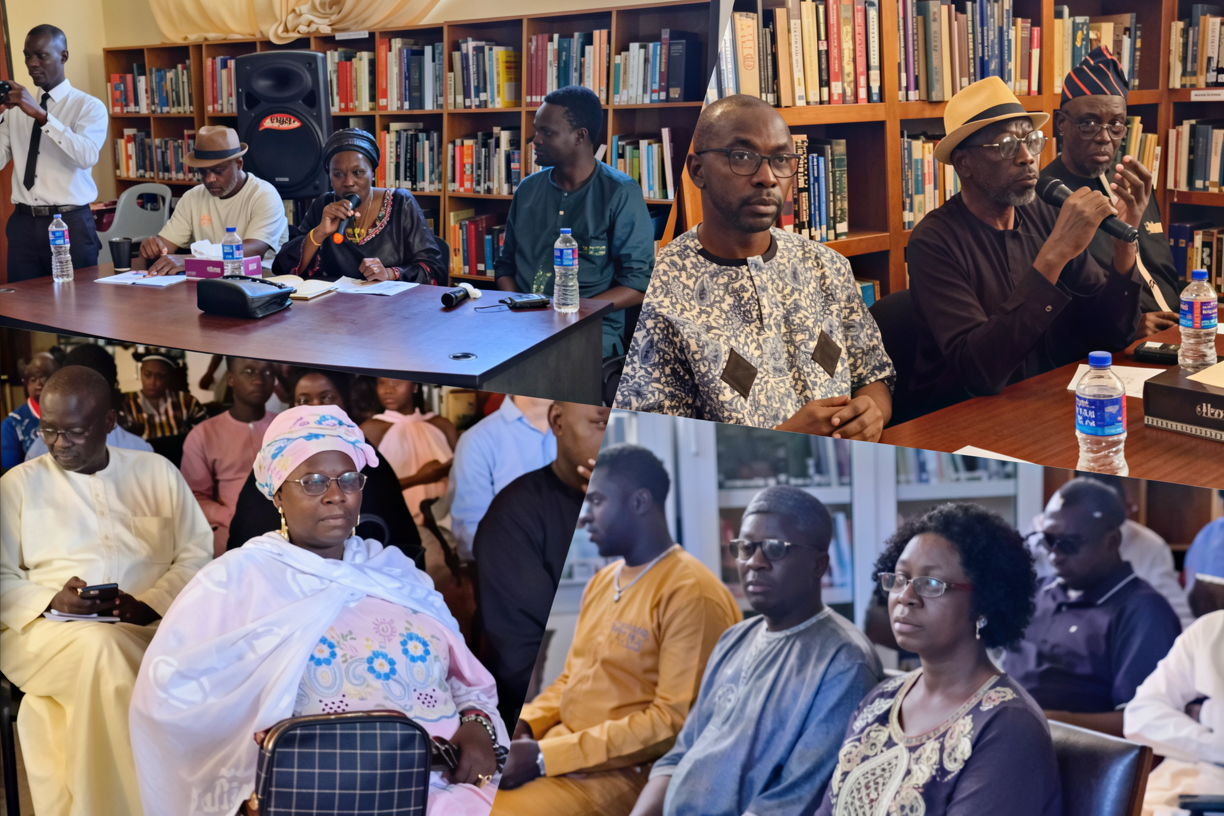
The Hazardous Environment Awareness Training (HEAT), supported by the National Endowment for Democracy, brought together 20 journalists for a residential “boot camp” that ended on 11 April 2026 at the Rural Farmers’ Agricultural Training Centre in Jenoi.
Designed to simulate real-world dangers, the training combined classroom instruction with practical drills, focusing on digital security, first aid, abduction survival and how to operate safely during violent protests.
Modou Joof, Secretary General of the GPU, said the initiative reflects the growing risks faced by journalists, particularly during election periods.
“The training involves intensive first aid and trauma care exercises, including simulated active shooter scenarios,” Joof explained. “We focus on developing Standard Operating Procedures (SOPs), conducting thorough risk assessments before assignments, and creating robust contingency plans.”
He added that participants were also trained in handling confrontations and maintaining composure in volatile situations.
The sessions included simulations on crowd control, behaviour under fire and navigating encounters with security personnel—skills considered essential as the country heads into a potentially tense electoral cycle.
Sang Mendy, Managing Director of the Media Academy for Journalism and Communication (MAJaC), said the programme was designed to help journalists better assess and respond to danger in the field.
“The program focused on vital areas: analysing high-risk situations before beginning coverage, using realistic exercises to test responses to hostile crowds, and sensitising reporters to digital threats like phishing and malware to protect both themselves and their sources,” Mendy said.
For many participants, the experience served as a stark reminder of the realities of frontline reporting.
Alieu Ceesay, a correspondent for The Alkamba Times, said the training had reshaped his approach to journalism.
“The knowledge I gained will guide me on how to navigate confrontations with security officers during protests,” Ceesay said. “My life is worth more than any story I publish. As a journalist, my priority now is to stay safe while gathering information.”
As the election approaches, the initiative highlights increasing awareness within the media sector of the need not only to report the news, but to survive it.


Discussion