By Makutu Manneh
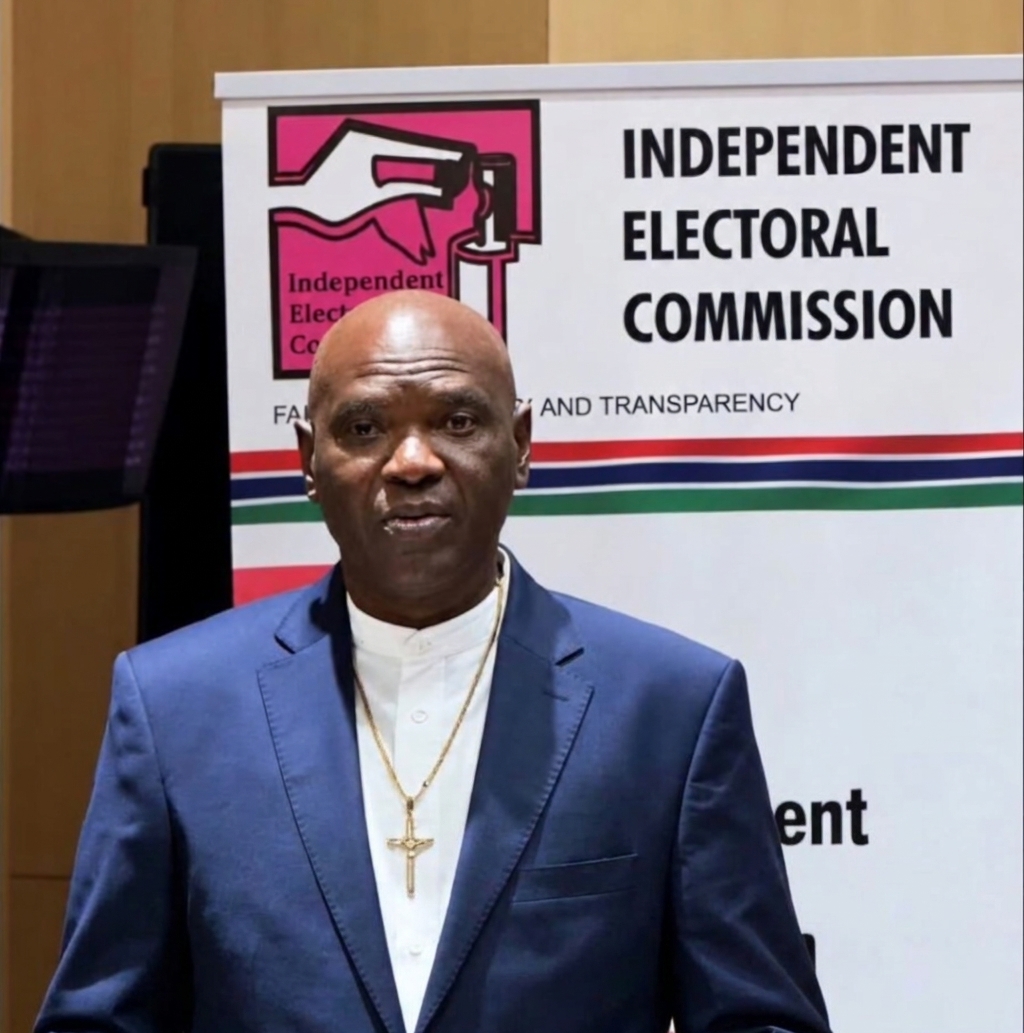
The Chairman of the Independent Electoral Commission (IEC), Joseph Colley, has urged presidential candidates and other political actors to adhere strictly to the Code of Election Campaign Ethics, warning that its provisions are legally binding on all signatories.
Speaking at the signing of a peace pact by presidential candidates on Monday, November 16, at the Sir Dawda Kairaba Jawara International Conference Centre, Mr. Colley emphasized the importance of responsible political conduct as The Gambia enters the campaign period ahead of the December 5 presidential election.
He said the peace pact was intended to reinforce the existing campaign code of ethics and encourage political parties and candidates to conduct their activities peacefully and responsibly.
Mr. Colley also called on political stakeholders to take concrete steps to combat hate speech, misinformation and disinformation, warning that the spread of false or inflammatory information could undermine public confidence in the electoral process.
“In the same vein, I would like to use this occasion to appeal to all stakeholders gathered here to work towards curbing hate speech, disinformation and misinformation,” he said.
He stressed that information integrity was essential to safeguarding the credibility of elections and urged political actors and the public to verify information before sharing it, whether through personal interactions or digital platforms.
The IEC chairman described the signing of the peace pact as an important step towards ensuring peaceful, credible, transparent and inclusive elections. He said maintaining peace before, during and after the polls was critical to the country’s stability and democratic progress.
He noted that the initiative was consistent with international electoral best practices and underscored the responsibility of political leaders to exercise restraint despite their differences.
“Political parties and actors may have their differences and divergences, but they must always strive to demonstrate utmost restraint, circumspection and responsibility in all their pronouncements and deeds,” he said.
Mr. Colley reminded candidates that political competition should not be mistaken for personal hostility, emphasizing that rival politicians were adversaries rather than enemies.
He said preserving The Gambia’s longstanding reputation for peace was a collective responsibility that transcended political affiliations and electoral ambitions.
The IEC chairman further cautioned that political leaders and other stakeholders had a duty to protect the country’s stability not only for the present generation but also for those yet to come.
He warned that history would judge harshly those who failed to uphold that responsibility, stressing that the country’s enduring interests must take precedence over temporary political contests.
Mr. Colley concluded by reminding political actors that while elections and political rivalries are temporary, the nation and its shared future remain.
“Elections will come and go, but The Gambia, our homeland, will remain,” he said.



Discussion