
Kebba A.F. Touray
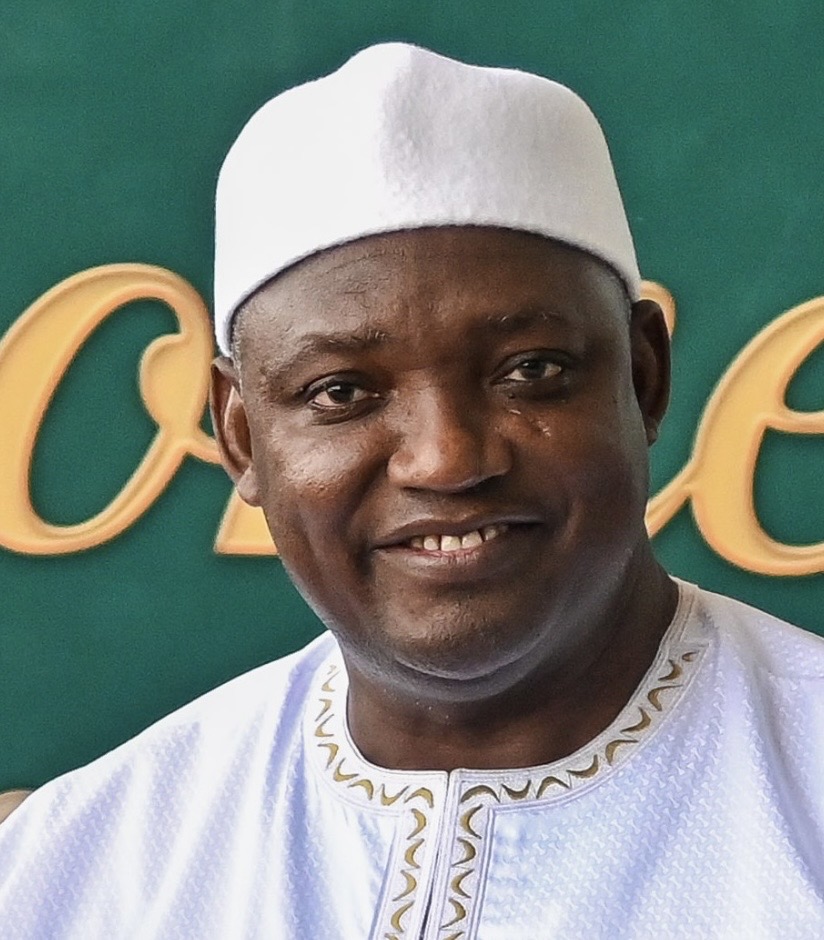
The Governor of the Central Bank of The Gambia, Buah Saidy, has told lawmakers that the country’s international reserves stood at US$535.6 million by the end of December 2024, enough to cover more than four months of imports.
Saidy disclosed this on Thursday during an appearance before the Finance and Public Accounts Committee of the National Assembly of The Gambia, where officials of the Central Bank presented the institution’s 2024 annual report.
“The Central Bank continues to hold adequate international reserves, standing at US$535.6 million as of December 2024, enough to cover over 4.7 months of imports,” Saidy told members of the committee.
The governor said the Gambian economy recorded stronger growth in 2024, with real GDP growth rising to 5.3 percent from 5.0 percent in 2023, driven largely by improvements in the services sector, especially tourism and industry.
“On the domestic front,” he said, “real GDP growth increased to 5.3 percent from 5.0 percent in 2023, supported by solid improvement in the services sector, particularly tourism and industry sectors.”
Saidy also reported a sharp decline in inflation during the year, saying tighter monetary policies and falling food prices helped reduce pressure on consumers.
“In 2024, inflation declined markedly, with headline inflation easing to 10.2 percent in December from 17.3 percent in the previous year, which was primarily driven by the tight monetary policy stance and sharp moderation of food prices,” he said.
Despite the improvements in economic growth and inflation, the governor said government spending pressures remained high during the year.
He said domestic revenue increased significantly in 2024, but rising recurrent expenditure, including interest payments, subsidies, goods and services, continued to affect the fiscal position.
“As a result, the overall fiscal deficit widened to 4.7 percent of GDP from 3.6 percent in 2023. The total domestic debt stock increased to D46.4 billion,” Saidy told lawmakers.
On the banking sector, the governor said the financial system remained stable and resilient throughout 2024 due to strong liquidity levels, profitability and capital adequacy within banks.
He pointed to ongoing reforms aimed at strengthening the sector, including plans to increase the minimum capital requirement for banks.
“The launch of a phased programme to strengthen the capital adequacy of banks by raising the minimum paid-up capital to D500 million, the adoption of risk-based supervision, and the rollout of new corporate governance guidelines are critical steps towards strengthening the sector’s resilience and safeguarding financial stability,” he said.
Saidy also updated lawmakers on developments in the country’s external sector and foreign exchange market in 2025, saying the current account deficit had narrowed compared with the previous year.
“The current account deficit moderated to US$75.9 million in 2025, relative to a deficit of US$103.9 million in 2024,” he said.
On government finances, the governor said early estimates for 2025 showed signs of improvement in the fiscal position compared with the previous year.
“The overall deficit, including grants, improved to D5.2 billion, compared to D6.8 billion in 2024, due to strong domestic revenue mobilisation, supported by ongoing improvements in tax administration and fiscal consolidation efforts,” Saidy said.


Discussion