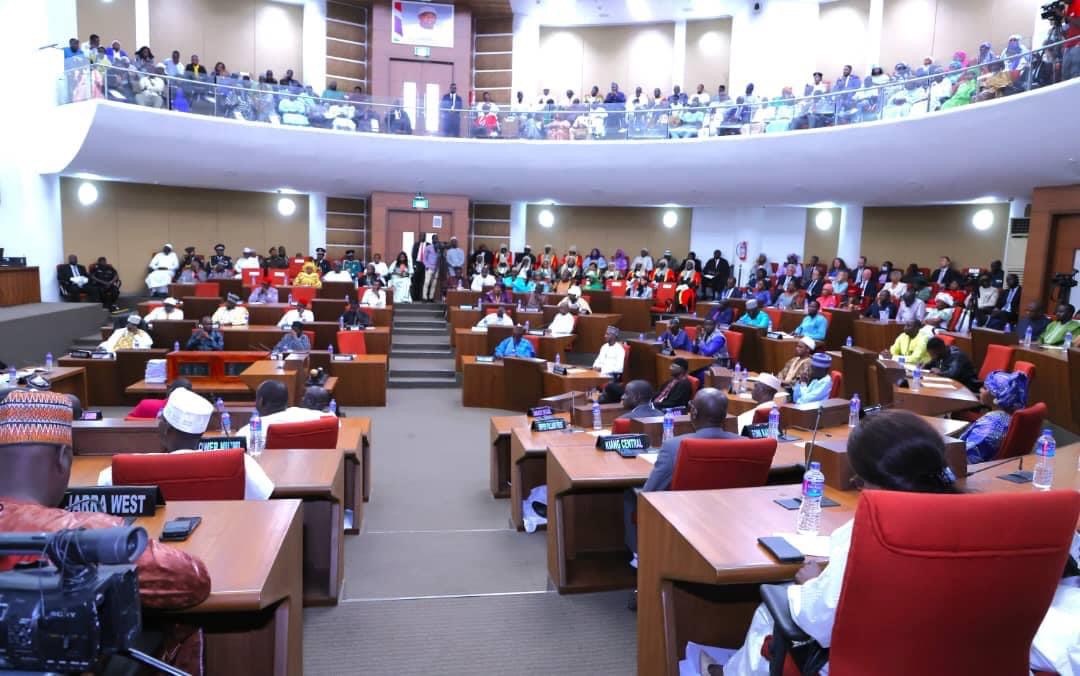
Gambia’s lawmakers have approved a D61.9 million cut to the Independent Electoral Commission’s (IEC) proposed 2027 budget, despite warnings that reduced funding for fuel and other operational costs could affect preparations for next year’s elections.
The IEC had submitted a proposed budget of D669.7 million for 2027, but the National Assembly approved a reduction of D61,907,375, leaving the commission with approximately D607.8 million.
The cuts affect several areas of the commission’s proposed expenditure, including fuel and lubricants, election materials, training, allowances and travel.
During deliberations on the budget, the National Assembly Member for Central Badibou, Sulayman Saho raised concerns about the reduction in fuel and lubricants, stressing that the IEC would need to travel extensively across the country to organise the elections.
He appealed to the Minority Leader, Alhagie S. Darboe, who also chairs the Finance and Public Accounts Committee (FPAC), to reconsider the reductions.
“If you reduce their fuel and lubricants for this, I hope we will be able to have a successful National Assembly election,” he cautioned.
The FPAC chairman defended the committee’s recommendations, arguing that the IEC’s proposed 2027 allocation already represented a 32.5 percent increase compared with its 2026 budget.
He said the committee had recommended an increase of about D113 million for the commission while identifying areas where savings could be achieved.
According to the chairman, the committee’s recommendations followed a detailed examination of the IEC’s spending plans and consultations with the electoral commission.
He maintained that the identified savings would not compromise the IEC’s ability to carry out its constitutional responsibilities.
“If you are telling us to still further reduce that, that will fall far short of what has been recommended,” he said.
The budget debate comes as the IEC prepares for a busy 2027 electoral calendar.
National Assembly elections are scheduled for April, followed by councillor elections in May and mayoral and chairperson elections in June.
The three elections will take place within a three-month period, placing significant logistical and operational demands on the electoral commission.
Following the debate, the Speaker put the amended estimates, reflecting the D61.9 million reduction, to a vote.
By Adama Makasuba




Discussion