
By Kebba A.F. Touray
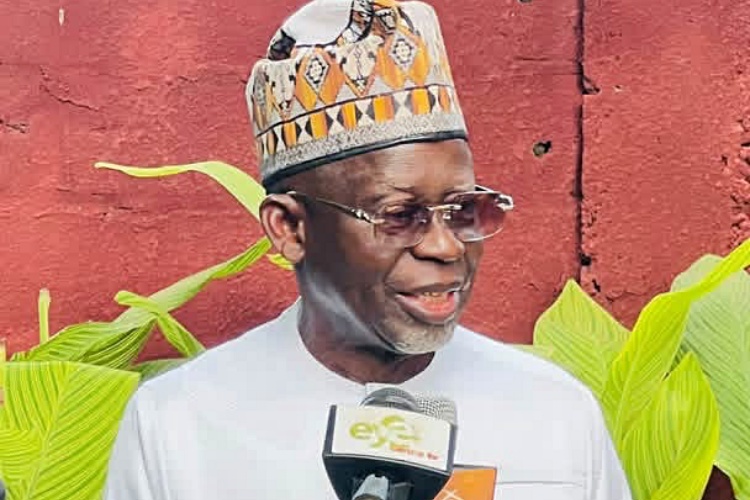
Defence Minister Baboucarr Joof has told members of the National Assembly that budgetary constraints continue to affect critical operational areas of the country’s security institutions, including fuel availability, equipment maintenance, training programmes and logistics support.
The minister made the remarks on Tuesday while responding to the report of the National Assembly Standing Committee on Defence and Security.
Addressing lawmakers, Joof said the committee’s findings had highlighted important areas requiring continued government attention.
“The observations and recommendations contained therein provide valuable strategic insights into the critical areas requiring sustained policy attention, institutional strengthening and targeted interventions,” he said.
He told parliament that the Ministry of Defence had undertaken a comprehensive review of the challenges identified by the committee and had developed measures and policy actions aimed at addressing them.
“These interventions are aimed at enhancing institutional effectiveness, strengthening defence governance, improving operational capabilities and ensuring the continued development of a resilient and responsive national defence framework,” he said.
Responding to concerns over inadequate personnel strength, the minister said manpower limitations remain a significant challenge for the armed forces.
He said the military continues to face difficulties in balancing operational readiness with personnel welfare, professional development, training opportunities and rest periods for officers and soldiers.
“Addressing these challenges requires a strategic and coordinated approach to human resource management informed by operational priorities, structural requirements and available national resources,” he said.
Joof also acknowledged concerns about military infrastructure and accommodation facilities.
He said existing military barracks, offices, training facilities and operational posts require rehabilitation, expansion and modernisation due to ageing infrastructure and increasing operational demands.
“The Ministry continues to prioritise defence infrastructure development through a phased and strategic approach that integrates government funding, collaborative partnerships and structured rehabilitation programmes,” he said.
According to the minister, these efforts are intended to improve the quality and sustainability of military facilities while ensuring that infrastructure investments remain aligned with national defence priorities and long-term development plans.
On operational equipment and logistics, Joof said adequate and modern equipment remains essential for maintaining military readiness and carrying out constitutional responsibilities.
He acknowledged that shortages still exist despite efforts to improve administrative and operational capabilities.
“While sufficient efforts have been undertaken to strengthen administrative and operational capabilities, equipment shortfalls continue to exist due to competing national priorities,” he said.
To address the situation, the armed forces are implementing what he described as a structured equipment management system focused on procurement, replacement, maintenance and lifecycle management of critical assets.
The minister also spoke about challenges relating to transportation and vehicle availability.
He said ageing military vehicles, increasing operational commitments, and maintenance demands continue to place pressure on the armed forces’ fleet management systems.
“The Ministry, in collaboration with the Armed Forces, is strengthening fleet management practices, improving preventive and corrective maintenance systems and prioritising the phased replacement of obsolete and high-demand vehicles,” he said.
Joof told lawmakers that inadequate funding remains one of the most significant challenges facing the defence sector.
“The Ministry recognises that adequate, timely and predictable funding is fundamental to sustaining operational readiness, maintaining institutional effectiveness and fulfilling national defence responsibilities,” he said.
“Budgetary constraints have, however, impacted critical operational areas, including fuel availability, equipment maintenance, training programmes and logistics support requirements.”
He said the ministry continues to engage government authorities and other stakeholders in an effort to secure resources that match the operational responsibilities of the armed forces and the country’s evolving security needs.
The minister acknowledged delays in the procurement and distribution of military uniforms, boots and personal protective equipment.
He said the challenges highlighted weaknesses in procurement systems, supply chain coordination and inventory management.
“The Ministry, in collaboration with GAF, is implementing measures to strengthen procurement planning, enhance supply chain efficiencies and improve the timely provision and distribution of essential military clothing, personal equipment and protective gear,” he said.
On healthcare services within the armed forces, Joof said access to medical care, medical supplies and emergency evacuation services remains essential for personnel welfare and operational effectiveness.
He acknowledged challenges relating to medical logistics, equipment availability and emergency support capacity.
“While challenges persist in relation to medical logistics, equipment availability and emergency medical support capacity, the Ministry, in collaboration with the Gambia Armed Forces, continues to implement measures aimed at strengthening military health services,” he said.
The minister also addressed concerns about feeding and welfare facilities. He said proper nutrition and welfare support are important factors in maintaining morale, health and operational readiness among military personnel.
“A well-managed catering system contributes sufficiently to sustaining the physical readiness, motivation and overall well-being of members of the Armed Forces,” he said.
Joof acknowledged that some military catering facilities require improvements in infrastructure, equipment, hygiene standards and food supply management.
“The Ministry, in collaboration with the Armed Forces, continues to implement measures aimed at enhancing catering services through facility upgrades, improved logistics and supply chain management, and the strengthening of welfare support mechanisms,” he said.
He added that the measures are intended to ensure the provision of safe, nutritious and reliable catering services.
The Defence Minister said the protection of military installations remains a priority. He noted that military facilities play a critical role in national security and therefore require strong perimeter protection, access control systems and surveillance measures.
“The Ministry recognises existing challenges relating to perimeter fencing, installation protection, surveillance capacity and access control systems,” he said.
“Efforts are being prioritised towards strengthening physical security infrastructure through phased improvements, modernisation of surveillance capacities and the advancement of security management arrangements.”
The minister returned to the issue of funding when discussing maintenance and sustainability challenges.
He said limited resources continue to affect the maintenance of military assets and operational activities.
“Budgetary constraints, however, impacted critical operational areas including fuel availability, equipment maintenance, training programmes and logistics support requirements,” he said.
He added that the ministry continues discussions with relevant authorities to secure improved resource allocations.
Joof also acknowledged concerns relating to sanitation and living conditions in military establishments.
He said access to clean water, proper sanitation facilities and a healthy environment are important for the welfare and productivity of service personnel.
“A safe and hygienic living environment contributes significantly to the well-being of service members and supports the maintenance of a healthy and productive military workforce,” he said.
The minister noted that improvements are still needed in water supply systems, waste management, washroom facilities and environmental sanitation.
“The Ministry, in collaboration with the GAF, continues to implement infrastructure improvement initiatives, preventive maintenance programmes and targeted interventions aimed at enhancing living conditions,” he said.
Concluding his response, Joof thanked the National Assembly Standing Committee on Defence and Security for its observations and recommendations.
“The Ministry of Defence appreciates the observations and recommendations provided by the National Assembly Standing Committee on Defence and Security and recognises their value in identifying critical areas requiring continued policy attention, institutional strengthening and strategic interventions,” he said.


Discussion