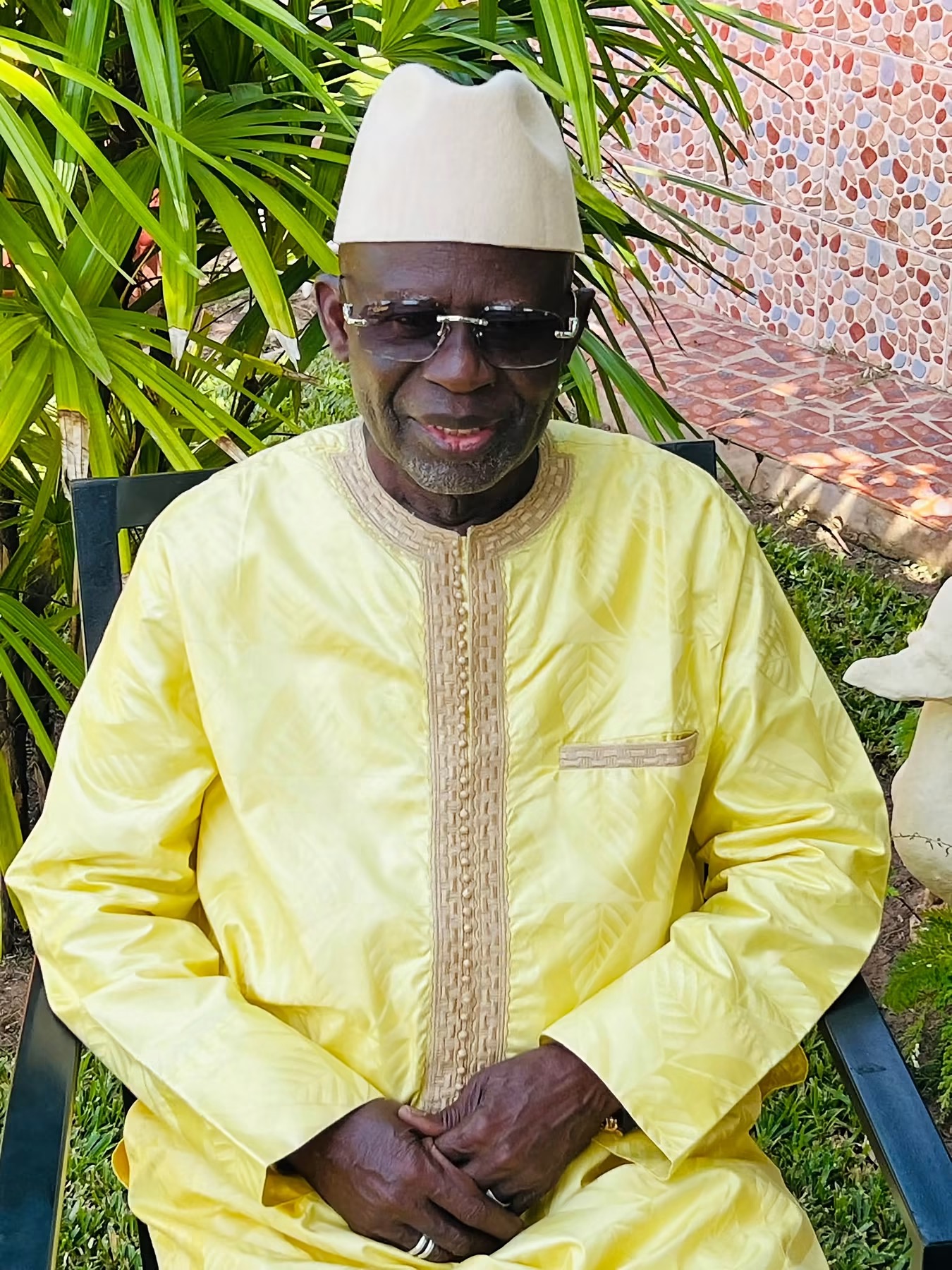
By Seedy Jobe
The Secretary-General and Party Leader of the United Democratic Party (UDP), ANM Ousainu Darboe, has accused President Adama Barrow’s administration of lacking the political will to combat corruption, citing the prolonged delay in making the Anti-Corruption Commission operational.
Speaking in an exclusive interview with Kerr Fatou, Mr. Darboe questioned why the commission remains nonoperational nearly two years after the National Assembly passed the anti-corruption legislation and commissioners were selected.
He rejected President Barrow’s explanation that complications involving one of the commissioners had delayed the commission’s establishment, arguing that the government could have readily identified a replacement from among the country’s qualified professionals.
“To say that one commissioner out of so many Gambians has issues, yet you still could not select one person to replace him, shows monumental failure on the part of the government to fight corruption in this country. That should not be an excuse at all,” Mr. Darboe said.
The veteran opposition leader suggested that the delay was deliberate, alleging that some government officials could face scrutiny over their conduct if the commission became operational.
He argued that the administration’s reluctance to activate the commission reflected concerns among officials who might become subjects of corruption investigations.
Mr. Darboe also criticised the government’s handling of the commission’s establishment, saying preparations should have been completed well before the president assented to the legislation.
According to him, the period between the National Assembly’s passage of the bill and presidential assent provided sufficient time for the executive to identify, vet, and prepare nominees for parliamentary approval.
He questioned the rationale behind enacting anti-corruption legislation without ensuring that the institutions and personnel required to enforce it were ready.
Mr. Darboe maintained that the government should have submitted the nominees to the National Assembly immediately after the president signed the bill into law.
He further argued that the executive could have engaged the leadership of the National Assembly to convene an emergency sitting to consider and confirm the nominees, allowing the commission to begin its work within days.
For Mr. Darboe, the prolonged delay raises broader questions about the administration’s commitment to accountability and its willingness to subject public officials to independent scrutiny.




Discussion