President Adama Barrow has launched a nationwide development tour with the laying of foundation stones for six road projects across the North Bank Region, marking the first day of a tour scheduled to run from August 8 to 19, 2026.
The tour coincides with the launch of Phase II of the Connect Gambia Infrastructure Project, covering Lots 1, 2, 3, 4 and 5. The President is expected to visit additional communities during the tour to lay foundation stones for new projects, inspect ongoing developments and visit agricultural sites across the regions.
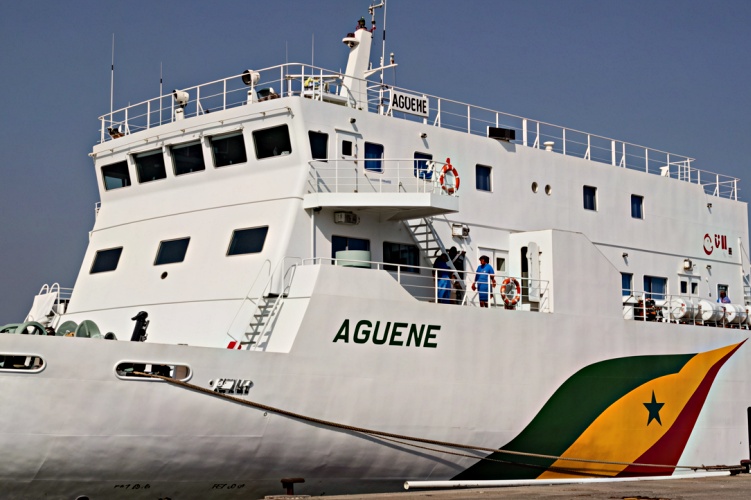
President Barrow began the tour after crossing the Banjul-Barra Ferry Terminal, where he was received by government officials, ministers and other dignitaries.
During his first day in the North Bank Region, the President laid foundation stones for road projects connecting communities including Barra, Bakalarr, Jurunku, Kerr Samba Kalla, Kerr Cherno Omar and Fass Njaga Choi.
The projects form part of a combined 255-kilometre road programme in the region and are intended to improve connectivity between communities, facilitate access to markets and strengthen transportation links.
Speaking during the tour, President Barrow said infrastructure development remains a key priority of his government, identifying roads, electricity, water and health infrastructure as areas requiring continued investment.
He said improved road networks would help reduce travel time and transportation costs while supporting agricultural production, trade and access to essential services.
“The Gambia should not be disconnected,” President Barrow said. “The size of the country is such that no village should feel isolated, no child should struggle to reach school, and no patient should find it difficult to reach a health facility.”
The President also linked the road projects to the agricultural potential of the North Bank Region, saying improved connectivity would enable farmers to transport their produce to markets more efficiently and potentially reduce post-harvest losses.
He described the region as one of the country’s active agricultural areas and a gateway to neighbouring countries, saying improved road infrastructure could contribute to increased trade, employment and economic opportunities.
“Wherever roads go, development follows,” Barrow said, adding that the North Bank Region would be positioned to attract further investment through improved infrastructure.
As part of the first day’s activities, two ambulances were also handed over to the people of Kuntaya to support healthcare services in the area.
President Barrow called on communities along the road corridors to cooperate with contractors during construction and protect the infrastructure once completed. He also urged citizens to contribute to national development by paying taxes, protecting public property and maintaining peace and stability.
The President further commended the Ministry of Transport, the National Roads Authority and contractors involved in the infrastructure projects, while calling for quality work and timely delivery.
Speaking during the tour, Sulayman Sumareh Managing director of NRA thanked Minister of Transport and Infrastructure Ebrima Sillah and the other ministers who accompanied President Barrow.
He said the people of Jokadu had witnessed significant development under the current government, particularly in road infrastructure.
“Today, if you see us in Jokadu, we can say the President has not left anything behind for us. He has constructed roads and laid foundation stones for new projects,” Mr. Sumareh said.
He also commended the government for road projects in the Upper River Region and Lower River Region, saying the government had made significant progress in road construction.
Mr. Sumareh, however, called for contractors handling government projects to deliver quality work and avoid overcharging.
According to him, more than 6,000 kilometres of roads have been constructed over the past three years.
The nationwide tour is expected to continue over the coming days, with President Barrow scheduled to visit more communities, launch additional projects, inspect ongoing developments and visit agricultural areas across the regions.

Discussion